The three numbers that matter most on a flooring spec sheet are the wear layer, measured in mils, for vinyl and engineered wood, the AC rating for laminate durability, and the Janka score for hardwood hardness. Warranties come in separate finish, wear, and structural coverages, each meaning something different. Learn to read these and you can compare any two floors fairly, instead of shopping on price and marketing alone.
Spec Sheets Are Written To Confuse, Not Clarify
Flooring is one of the few big purchases where the label is packed with numbers most buyers cannot interpret. Mils, AC ratings, Janka scores, and a warranty document full of exclusions. It is easy to give up and just trust the salesperson or the sticker price, which is exactly how people end up with a floor that does not last. The good news is that a handful of specs carry most of the weight, and once you know what each one means, the fog lifts. You can spot the thin wear layer hiding behind a low price, the laminate rated too light for your hallway, or the warranty that covers almost nothing in practice. This is not about becoming an expert. It is about knowing the four or five things that actually predict how a floor performs, so you buy on substance.
Wear Layer: The Number That Predicts Lifespan
For vinyl and engineered flooring, the wear layer is the single most important spec, and it is often buried or left off cheap products for a reason. It is the clear protective top layer that takes all the wear, and its thickness, measured in mils for vinyl, tells you how long the floor resists scratches and traffic. For luxury vinyl, a 6 to 8 mil wear layer suits a light-traffic bedroom, 12 mils handles a normal household, and 20 mils or more is what a busy family kitchen, a mudroom, or a home with pets needs. A thin wear layer is how two floors that look identical in the showroom age completely differently. For engineered hardwood, the wear layer is the real wood on top, measured in millimetres, and it sets how many times the floor can be refinished. Always ask for the exact wear layer before you buy.
AC Ratings: Laminate Durability, Standardized
Laminate has its own durability scale, the AC rating, and it is genuinely useful because it is standardized across brands. AC stands for Abrasion Class, and it rates how well a laminate resists wear, scratching, and impact, on a scale that maps to real use. AC3 suits general residential use, most homes, most rooms. AC4 steps up for heavy residential and light commercial traffic, good for busy households and entries. AC5 is built for commercial traffic. For a normal Quebec home, AC3 or AC4 covers you, and a busy family or a home with dogs should lean to AC4. Buying a laminate rated below your traffic is a common mistake that shows as premature wear in a hallway. The North American Laminate Flooring Association administers the AC rating standard, so the number means the same thing whatever the brand.
Janka: How Hard A Hardwood Species Is
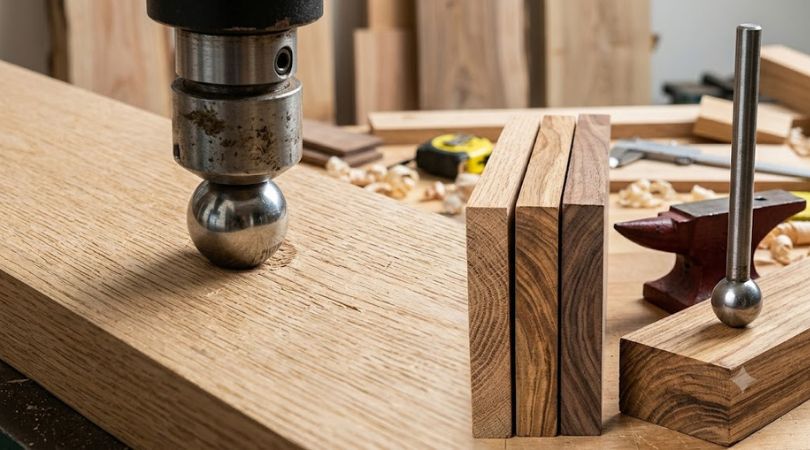
For solid and engineered hardwood, the Janka hardness scale tells you how well a species resists dents and wear, and it is the number to check if you have big dogs, kids, or heavy traffic. Janka measures the force needed to press a small steel ball into the wood, so a higher score means a harder, more dent-resistant floor. Among the North American species common in Quebec, hickory sits at the hard, durable end, hard maple and white oak are solidly durable, red oak is a warm, mid-hard classic, and yellow birch offers good hardness with local character. A softer species is not a bad floor, it just shows dents and wear sooner, so match the Janka score to your household. Do not confuse hardness with quality, though, since finish and construction matter just as much.
The Spec Decoder, At A Glance
Here is the shorthand for reading a flooring spec sheet. Wear layer on vinyl measures scratch and traffic resistance, and you want 12 mil for a normal home, 20 mil plus for busy. Wear layer on engineered measures refinishing potential, and you want 4 mm or thicker to refinish two to three times. The AC rating on laminate measures abrasion and impact durability, and you want AC3 for residential, AC4 for busy homes. Janka on hardwood measures species hardness and dent resistance, and you want a higher score for pets, kids, and heavy traffic. Overall thickness affects feel and stability, and thicker is generally more solid. Core type on vinyl is SPC (hard) or WPC (softer and warmer), matched to the room, and both are waterproof. Read these five or six numbers and you can compare almost any two floors on substance.
Warranties: Three Different Coverages, Not One
The word warranty on a flooring box hides several different promises, and buyers often assume one big guarantee when there are actually separate, limited ones. A finish warranty covers the top coating against wearing through, common on hardwood and laminate. A wear warranty covers the wear layer against wearing out, common on vinyl and laminate, and it usually applies only to normal residential use, not scuffs, scratches, dents, or fading. A structural warranty covers manufacturing defects in the board itself, like delamination. These are separate promises with separate terms, so a long headline number, twenty-five years, thirty years, may apply only to one narrow type of failure under strict conditions. Look past the big number on the front to what each coverage actually protects.
What Quietly Voids A Flooring Warranty
The reason many flooring warranties pay out so rarely is the fine print, and it is worth reading before you assume you are covered. Improper installation is the big one, which is why using a licensed installer and following the manufacturer’s method protects your coverage. Installing the wrong product in the wrong place voids it too, wood in a bathroom, a floor not rated for radiant heat used over it. So does failing to maintain the home’s conditions, and this matters in Quebec, because letting indoor humidity swing outside the recommended 35 to 55 percent range and then claiming for gapping or cupping is a common denial. Water damage, scratches, dents, and normal wear are usually excluded outright. A warranty is real, but it protects against manufacturing failure under proper use, not against everything.
What Sefi Wants Buyers To Know
“The number people fixate on is the years on the warranty, and it is almost the least useful thing on the box,” says Sefi Dollinger, Owner of Planchers Bellefeuille, serving Quebec homeowners since 1983. “A thirty-year warranty full of exclusions is worth less than a floor with a thick wear layer and a Janka score that fits your dog. I tell buyers to ignore the headline and ask three things: how thick is the wear layer, what is the AC rating or Janka score, and what does the warranty actually cover. Get those answers and you are comparing floors like a pro, not guessing on price.”
Using Specs To Compare Products Fairly
Put it all together and comparing floors becomes straightforward. Line up the products on the same specs rather than on price and marketing, and the real differences appear. Compare wear layers directly, a 20 mil vinyl against a 12 mil, an engineered floor’s 4 mm wear layer against a 2 mm. Compare AC ratings on laminates and Janka scores on hardwoods against your actual traffic and household. Then read what each warranty truly covers, not just the years. A floor that costs a little more but carries a thicker wear layer, a higher rating, and honest coverage is usually the better value, because it lasts. This is how you avoid the trap of two floors that look identical in the showroom and age completely differently. The National Wood Flooring Association publishes the hardwood standards behind many of these specs.
Frequently Asked Questions
What is a wear layer in flooring?
The wear layer is the clear protective top layer on vinyl and engineered flooring that takes all the traffic and wear. On vinyl it is measured in mils and predicts scratch resistance, with 12 mils suiting a normal home and 20 mils or more for busy households. On engineered wood it is the real hardwood on top, measured in millimetres, and sets how many times the floor can be refinished.
What AC rating do I need for laminate flooring?
For a normal Quebec home, AC3 covers general residential use, while AC4 is better for busy households, entries, and homes with pets. AC5 is built for commercial traffic. The AC rating, or Abrasion Class, is standardized across brands, so the number means the same thing whatever the manufacturer. Match the rating to your traffic rather than buying the lowest available.
What is Janka hardness and why does it matter?
Janka hardness measures the force needed to press a small steel ball into a wood species, so a higher score means a harder, more dent-resistant floor. It matters most if you have big dogs, kids, or heavy traffic. Among Quebec species, hickory is hardest, maple and white oak are solidly durable, and red oak and yellow birch are warm mid-hard classics. Match the score to your household.
How long is a typical flooring warranty and what does it cover?
Flooring warranties often run twenty-five to thirty years or more, but that headline number usually applies to one narrow type of failure under strict conditions. Coverage is split into finish warranties, wear warranties, and structural warranties, each protecting something different. Most exclude scratches, dents, water damage, and normal wear, and require proper installation and maintenance, so read what each coverage actually protects.
What voids a flooring warranty?
Common warranty-voiding issues include improper installation, installing the wrong product in the wrong place such as wood in a bathroom, water damage, scratches and dents, and failing to maintain the home’s conditions. In Quebec, letting indoor humidity swing outside the recommended 35 to 55 percent range and then claiming for gapping or cupping is a frequent denial. Using a licensed installer and following the maker’s guidance protects your coverage.
How do I compare two flooring products fairly?
Line them up on the same specs rather than on price. Compare wear layers directly, AC ratings on laminates, and Janka scores on hardwoods against your actual traffic. Then read what each warranty truly covers, not just the years. A floor that costs a little more but has a thicker wear layer, a higher rating, and honest coverage is usually the better long-term value.
Is a thicker floor always better?
Thickness generally makes a floor feel more solid and stable underfoot, and on engineered wood a thicker wear layer means more refinishes, so it often signals quality. But total thickness alone does not guarantee durability, the wear layer, rating, and construction matter more. A thick floor with a thin wear layer can wear out faster than a thinner floor with a robust one. Read the specs, not just the overall thickness.
Does a longer warranty mean a better floor?
Not necessarily. A long warranty full of exclusions can protect less than a shorter, clearer one, because the headline years often apply only to a narrow failure type under strict conditions. Judge a floor first on its wear layer, AC rating or Janka score, and construction, which predict real performance, and treat the warranty as fine print to read carefully rather than a quality guarantee.
Confused by a spec sheet or a warranty? Bring it to our Saint-Jerome showroom and we will translate it, and tell you honestly whether the floor fits how you live.
450, boul. Roland-Godard, Saint-Jerome, QC | (450) 431-8789 | planchersbellefeuille.com