
Condo flooring has one rule apartment homeowners never face: it has to be quiet for the unit below. Most Quebec condo declarations set a minimum sound rating, often an IIC of 50 or higher, and require you to submit your flooring choice for approval before installation. Choose a floor with the right acoustic underlayment, and check your syndicate’s rules first, or you may be forced to tear it out.
In A Condo, Your Floor Is Your Neighbour’s Ceiling
When you renovate a house, your flooring choice is yours alone. In a condo or a multi-unit building, the floor you walk on is the ceiling someone else sleeps under, and that changes everything about the decision. Hard-surface floors, hardwood, vinyl, laminate, and tile, transmit two kinds of noise downward: impact sound, like footsteps, dropped keys, and chair legs, and airborne sound, like voices and music. A bare hard floor over a concrete or wood structure can make a neighbour’s living room sound like a bowling alley. That is why condo buildings regulate flooring, and why your beautiful new floor can become a formal complaint if it is too loud below. The good news is that the noise is entirely controllable with the right build. You just have to know the rules and the ratings before you buy.
The Two Ratings Condo Boards Care About
Sound performance is measured, not guessed, and two numbers appear in almost every condo declaration. IIC, the Impact Insulation Class, measures footsteps and impact noise through the floor, and you aim for 50 minimum, with 55 plus being quieter. STC, the Sound Transmission Class, measures airborne noise like voices and TV, and you aim for 50 minimum, higher being better. Delta IIC measures the improvement an underlayment adds, and higher means a better underlay. Higher numbers mean a quieter floor for the unit below. Most Quebec condo declarations set a minimum IIC, commonly 50, and some newer buildings require higher. Find your building’s exact number before you fall in love with a product, because it is the spec that decides what you can install.
Acoustic Underlayment Does The Heavy Lifting
The floor surface matters less for sound than what goes under it. Acoustic underlayment, a resilient layer of cork, rubber, foam, or a composite, sits between your floor and the structure and absorbs impact energy before it reaches the ceiling below. This is where you hit your IIC target. A quality acoustic underlay can add ten or more points of impact insulation, turning a floor that would fail into one that passes comfortably. Some rigid vinyl and engineered floors come with an attached acoustic pad, which simplifies things, but always confirm the tested rating of the complete assembly, not just the floor on its own. The rating that matters is the floor plus the underlay plus the structure, tested together. Skimping on the underlayment to save a few dollars is the fastest way to end up with a complaint from downstairs and a bill to redo the job.
The Floors That Work Best In A Condo
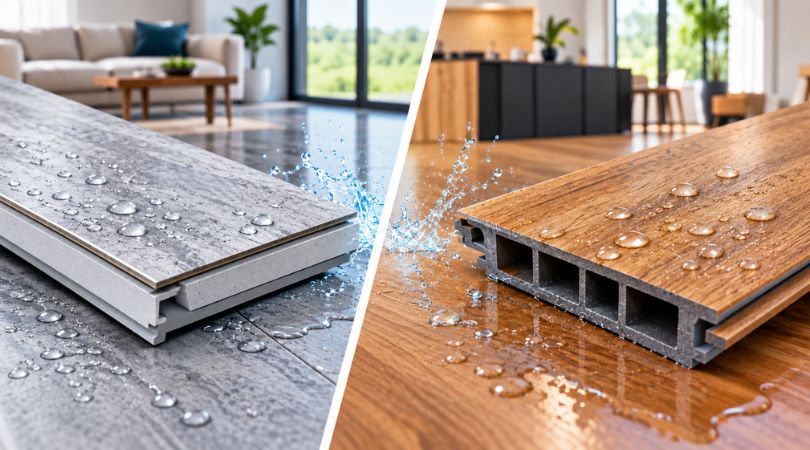
Some materials pair with acoustic underlayment more easily than others. Rigid vinyl, both SPC and WPC, is a strong condo choice because many lines include an attached acoustic backing and hit IIC targets cleanly, plus they are waterproof for peace of mind above another unit. Engineered hardwood works well when floated over a rated acoustic underlay, giving you real wood without gluing to the structure. Laminate can meet the rating with the right underlay. Tile is the trickiest, because it is hard and rigid, so it needs a robust acoustic membrane beneath it to pass.
Check Out – How to Choose Right Flooring for High Traffic Areas?
Get Approval Before You Buy, Not After
This is the step that saves condo owners the most grief, and the one they skip most often. In a Quebec co-ownership, the declaration and the syndicate, the board of co-owners, govern what you can install, and many require written approval of your flooring before work begins. Ask your syndicate for the flooring rules in writing, note the minimum IIC and any airborne requirement, and confirm whether you must submit product specs or an installer’s assurance in advance. Some buildings ban certain materials entirely or require a specific underlayment. Doing this first costs an email. Skipping it can cost you the whole floor, because a syndicate can require a non-compliant floor to be removed at your expense. Canada Mortgage and Housing Corporation publishes helpful background on condo noise and governance, and your building’s declaration is the final word.
What I Tell Condo Owners First
“The first question I ask a condo customer is not what floor they want, it is what their declaration requires, because I have seen people install a gorgeous floor and get ordered to rip it out,” says Sefi Dollinger, Owner of Planchers Bellefeuille. “Get the IIC number from your syndicate before you shop. Then we build the assembly to beat it, usually with a rigid vinyl that has an acoustic backing, and your neighbour never hears you. A quiet floor keeps the peace in a building, and peace is worth more than saving twenty dollars on the underlay.”
Frequently Asked Questions
What sound rating do I need for condo flooring?
Most Quebec condo declarations require a minimum Impact Insulation Class, or IIC, of 50 for hard-surface flooring, and some newer buildings require 55 or higher. Many also set a Sound Transmission Class, or STC, minimum of around 50 for airborne noise. Check your building’s exact requirement before buying, since it decides what you can install.
What does IIC mean in flooring?
IIC stands for Impact Insulation Class, a rating of how well a floor assembly blocks impact noise like footsteps and dropped objects from reaching the unit below. A higher IIC means a quieter floor for your downstairs neighbour. It is the number most condo declarations use to regulate flooring, usually setting a minimum of 50.
Does acoustic underlayment really reduce noise?
Yes. A quality acoustic underlayment absorbs impact energy before it reaches the ceiling below and can add ten or more points of impact insulation to a floor. It is the single most important part of a quiet condo floor. Always confirm the tested rating of the complete assembly, the floor plus underlay plus structure, not the floor alone.
Can I install hardwood in a condo?
Usually yes, if you float engineered hardwood over a rated acoustic underlayment that meets your building’s IIC minimum and your syndicate approves it. Gluing solid or engineered wood directly to the structure often fails the sound requirement. Check your declaration first, since some buildings restrict wood or require a specific underlay.
Do I need permission to change my condo flooring in Quebec?
Often yes. Many Quebec co-ownership declarations require written approval from the syndicate before you change flooring, and some ask for product specifications or an installer’s assurance of the sound rating. Ask for the rules in writing before you buy, because a syndicate can order a non-compliant floor removed at your expense.
What is the quietest flooring for a condo?
Rigid vinyl with an attached acoustic backing and carpet are among the quietest for impact noise, while any hard floor over a good acoustic underlayment can meet condo targets. The quietest assembly combines a resilient underlay with the finished floor. The exact product matters less than the tested IIC of the whole assembly.
Is vinyl or laminate better for condo soundproofing?
Rigid vinyl often has the edge because many lines include an attached acoustic pad and hit IIC targets cleanly, and it is waterproof over another unit. Laminate can meet the rating with the right separate underlayment. Compare the tested IIC of each complete assembly rather than the material name, since the underlay drives the result.
What happens if my condo floor is too loud?
If your floor does not meet the building’s sound requirement, the syndicate can require you to add soundproofing or remove and replace the floor at your own cost, and neighbours can file formal noise complaints. Meeting the IIC minimum with proper underlayment and getting written approval first avoids this entirely.
Bring your syndicate’s flooring rules to the Saint-Jerome showroom and we will build an assembly that beats your building’s sound minimum.